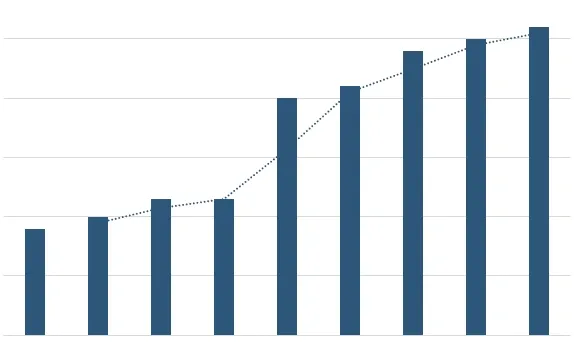
Worldwide demand for frozen potato products is experiencing strong growth at a forecasted CAGR of 4.7%, valued from $16.2B USD in 2022 to $22.2B USD in 2029. Some processors are making significant investments in capacity expansion projects to capitalize on this trend. McCain Foods recently announced a $600M CAD expansion at their Coaldale, AB, Canada facility, and Lamb Weston is undertaking a $415M USD expansion at their American Falls, ID, USA facility.
However, building new facilities is complex and time-consuming, taking several years to bring new capacity online. Therefore, if you’re a Processor challenged with meeting demand, you should consider how to unlock short-term capacity gains while long-term projects are planned. Here are three strategies to achieve that:
1. Maximize Existing Production Assets
Processors should continuously monitor raw quality variations and optimize line settings for opportunities to reduce waste and improve efficiency. There may be low-cost opportunities to automate process steps to reduce processing time. Contact the Original Equipment Manufacturer (OEM) for low-cost optimization ideas specific to your situation.
2. Reduce Downtime
Two types of downtime reduce productivity: 1) unplanned downtime due to equipment failures and 2) planned downtime for sanitation, maintenance, SKU changes, and Freezer defrosts. To reduce downtime, processors should consider the following.
- Leverage a proactive maintenance program to identify and address issues before they cause unplanned downtime. A strong program includes assigning all downtime minutes to the failed equipment. Scout the downtime data for trends or outliers to identify “bad actors” and form action plans to reduce the impact of the worst offenders.
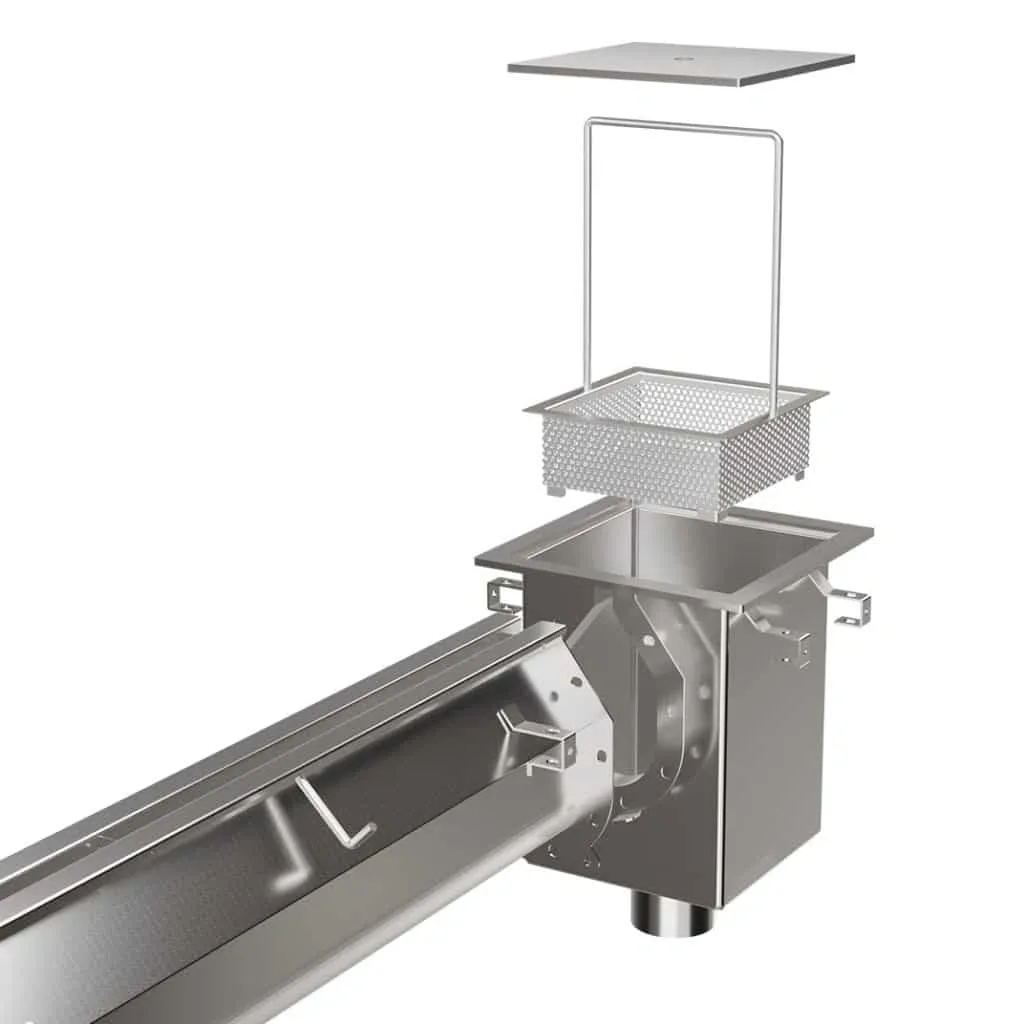
- Installing Clean-In-Place (CIP) and Clean-out-of-Place (COP) systems will reduce manual labor and cleaning time required, allowing a facility to return to operations faster.
- Ensure equipment and installations are optimized for cleaning and maintenance. Examples may include replacing multiple conveyors with a pump loop or designing conveyors for minimum bearings and ease of cleaning.
3. Invest in Debottlenecking
Debottlenecking is about removing the top constraint to increasing production capacity. To identify bottlenecks and areas for improvement, evaluate theoretical vs actual maximum capacity under various operating conditions. Engage the Original Equipment Manufacturer (OEM) or industry experts to discuss your situation. They may have upgrades, retrofits, or other ideas to optimize that component of your process. Prioritize and implement targeted improvements yielding multiple benefits, such as installing a PEF unit to replace a water preheater to reduce losses, improve cut quality, and reduce breakage.
A large-scale capacity expansion may be the right strategy for your business, but it takes significant time to bring it online. Therefore, adopting these three strategies could quickly unlock the incremental capacity you need to meet customer demand.